Humans Can Outpace Automation in Some Situations
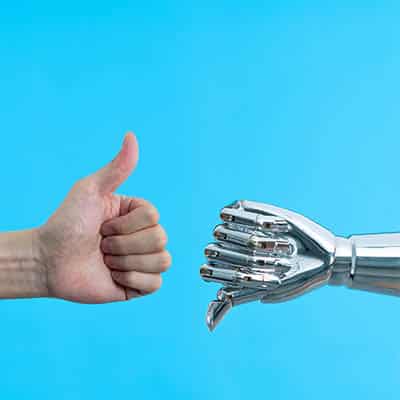
People Adapt Quicker than Machines
In business, markets change, customer preferences shift, and unexpected challenges pop up. A well-trained employee can learn new skills, pivot strategies, and handle unique situations. A machine? Not so much. Automated systems follow strict programming, and any change usually means expensive updates, new software, or a complete overhaul. Instead of constantly chasing the latest automation, investing in people who can grow with your business can be more rewarding, and ultimately, beneficial.
Customer Service Needs a Human Touch
Chatbots are all the rage, but for anyone on the other end, it can be a frustrating experience. No matter how advanced AI gets, it still can’t match the empathy and problem-solving skills of a human. Customers appreciate real conversations, not robotic responses. Training employees to handle customer concerns effectively can lead to higher satisfaction that no automation can truly replicate.
Skilled Employees Drive Innovation
Automation follows instructions; people think outside the box. Business thrives on innovation, and that comes from people who are encouraged to experiment, collaborate, and improve processes. When businesses invest in training, they don’t just enhance employee skills, they create workflows that are more apt to be innovative. Machines might speed up existing operations, but they won’t come up with the next big idea that transforms an industry.
Training Pays Off in the Long Run
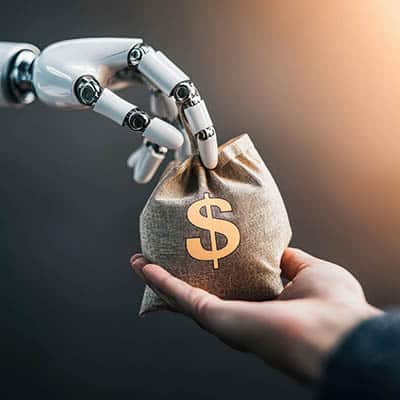
Automation might seem like a money-saver up front, but what happens when systems become outdated or need expensive maintenance? Meanwhile, investing in people builds long-term value. Employees who receive regular training stay engaged, perform better, and are more likely to stick around; which is huge for a business. A well-trained workforce means fewer mistakes, better decision-making, and overall stronger business performance.
Humans Can Handle the Unexpected
A lot of times, things don’t always go as planned. Machines break down, software glitches, and automated systems struggle with anything outside their programming. Trained employees, on the other hand, can adapt on the fly. Whether it’s handling a customer’s unusual request, troubleshooting a technical issue, or managing a crisis, humans are irreplaceable when flexibility is required.
Automating parts of your business is a great way to get repeatable results, but if you really want your business to be quick to adapt and flexible, training your employees is a much better investment. If you would like more business-centric articles about running an effective business, return to our blog regularly.